
Reducing rework in surveying and improving first-time accuracy are two of the most important factors in maintaining field productivity. In real projects, repeated measurement, correction, and verification often create more delay than measurement speed itself. By focusing on methods to reduce rework in surveying, teams can significantly enhance their efficiency.
Rework occurs when a point needs to be measured again, stakeout needs to be corrected, layout is misinterpreted, data requires extra verification, or results cannot be trusted on the first attempt. Even small amounts of rework can interrupt the entire workflow and reduce overall productivity.
This article explains how to reduce rework in surveying by improving first-time accuracy, not only in positioning, but also in workflow execution. Understanding the strategies to reduce rework in surveying is essential for any surveying professional aiming for excellence.
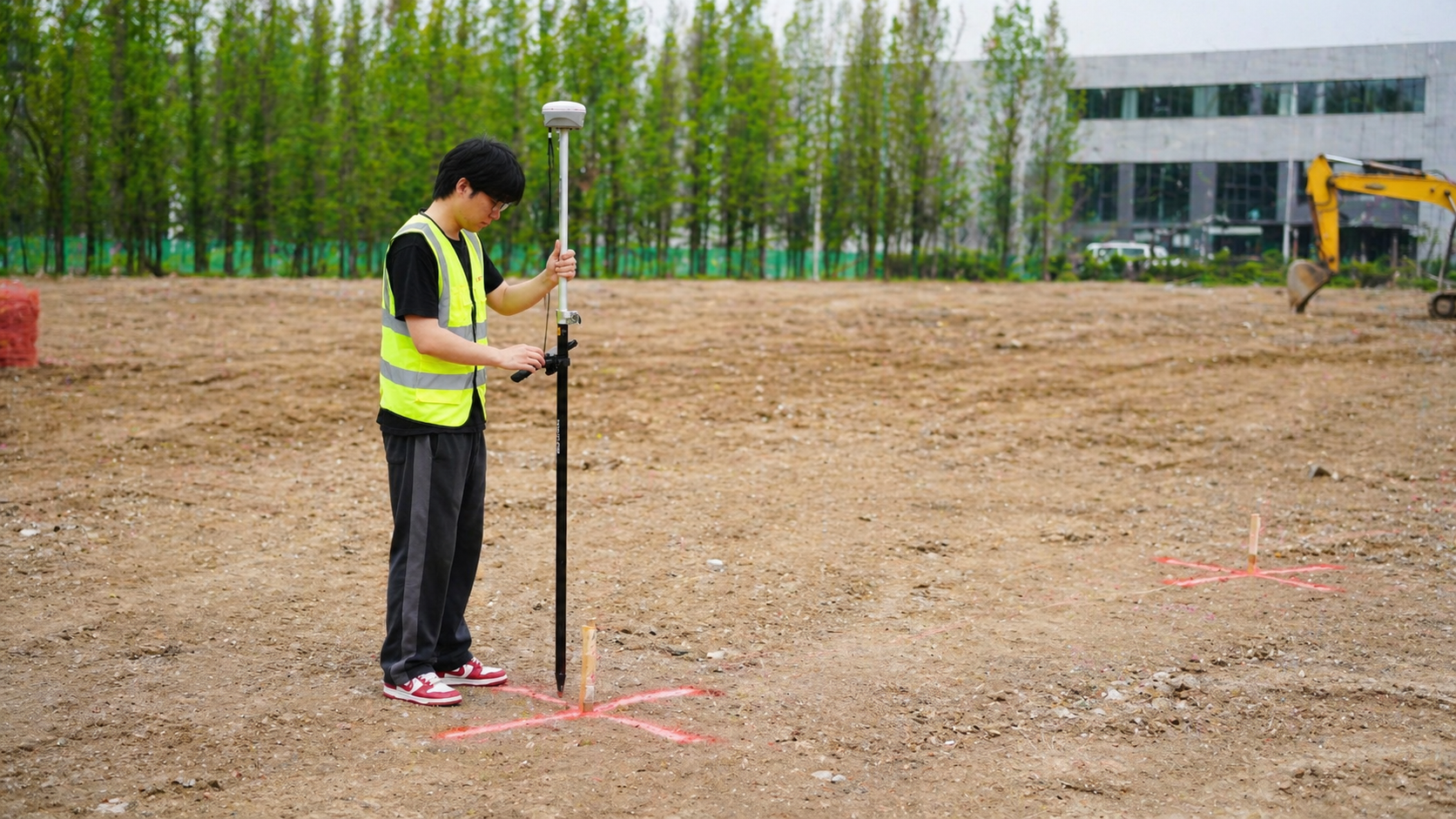
Why Rework Happens More Often Than Expected
Rework is rarely caused by a single major mistake. More often, it results from several small inefficiencies during field execution.
Common causes include:
- Unclear identification of the target point
- Over-reliance on numeric guidance without enough context
- Unstable positioning during measurement
- Inconsistent workflow between points
- Lack of confidence leading to repeated checks
In many cases, the measurement itself may be technically correct, but the surrounding process is inefficient. That is why reducing rework is not only about improving accuracy. It is also about improving clarity and confidence during execution.
A More Effective Approach: Improve First-Time Decision Quality
To reduce rework, the goal is not to double-check everything. The goal is to make better decisions the first time.
An efficient workflow should:
- Ensure the correct point is identified before measurement
- Reduce hesitation during stakeout
- Maintain stable positioning conditions
- Avoid unnecessary repetition
- Support confident execution in complex environments
An integrated workflow that combines positioning, visual understanding, and flexible operation helps achieve this.
With a system such as the PRECISE X7, surveyors can:
- Confirm target location more clearly through visual guidance
- Avoid re-measuring due to misinterpretation
- Maintain consistent workflow across multiple points
- Adapt to real conditions without breaking process continuity
The objective is not perfection. It is consistency without repetition.
Step-by-Step Workflow to Reduce Rework
Step 1: Confirm the Target Before Measuring
One of the most common causes of rework is measuring the wrong point.
Before taking the measurement:
- Ensure the correct target is identified
- Use visual context to confirm location
- Avoid relying only on numeric direction
Clarity at this stage prevents correction later.
Step 2: Ensure Stable Measurement Conditions
Unstable conditions often lead to doubt, and doubt often leads to repetition.
Before finalizing a point:
- Confirm positioning is stable
- Avoid measuring during transitional states
- Maintain a consistent setup
Confidence in the measurement reduces the need for re-checking.
Step 3: Use Visual Interpretation to Reduce Misjudgment
In complex environments, numeric guidance alone may not be sufficient.
Repeated structures, visual obstacles, or cluttered layouts can all increase confusion. Visual guidance helps the operator:
- Confirm alignment more quickly
- Reduce uncertainty in point identification
- Minimize the need for verification passes
This is particularly valuable in dense construction environments and other visually complex sites.
Step 4: Avoid Over-Checking
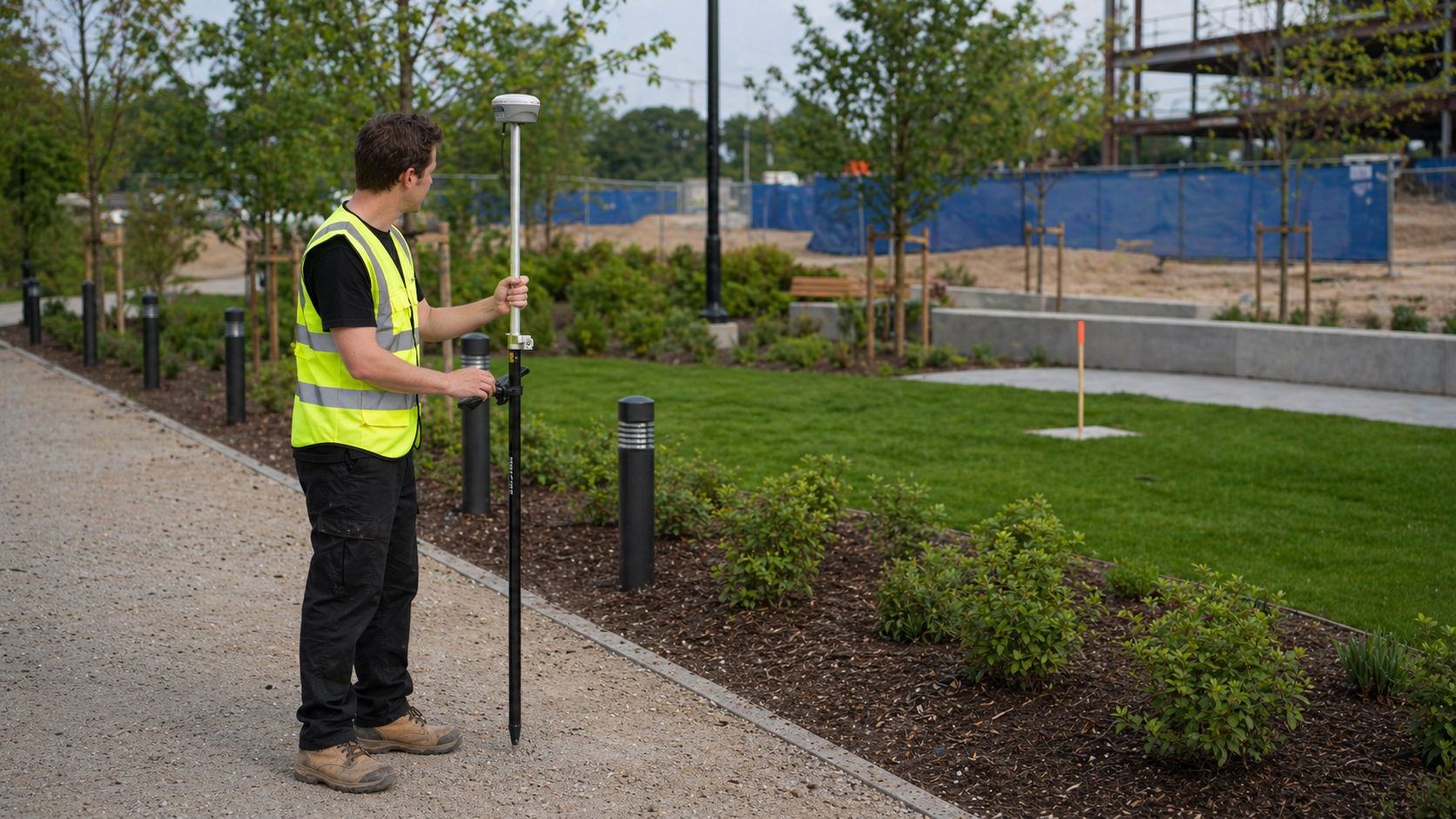
A common reaction to uncertainty is excessive checking.
While verification is important, repeated checking slows down workflow, often reflects lack of confidence rather than real error, and interrupts measurement continuity.
A more efficient approach is to:
- Validate once under stable conditions
- Avoid unnecessary repetition
- Trust consistent workflow execution
Reducing over-checking helps maintain both speed and reliability.
Step 5: Maintain Consistent Workflow Between Points
Inconsistent processes increase the chance of mistakes.
To reduce this risk:
- Use the same measurement logic across similar tasks
- Avoid switching methods unnecessarily
- Keep movement and setup consistent
Consistency improves both speed and first-time reliability.
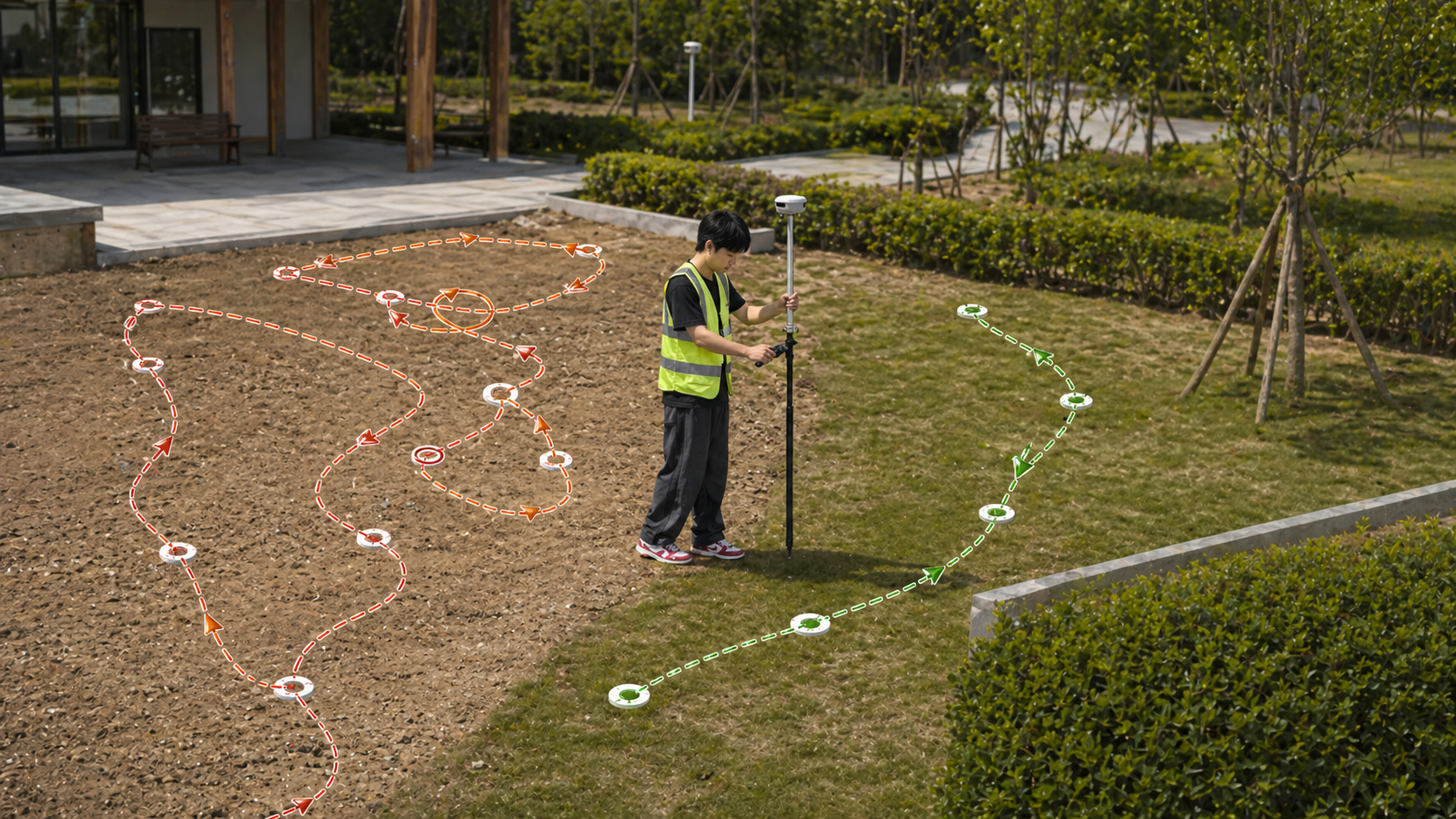
Step 6: Adapt to Field Conditions Without Breaking Flow
Real-world conditions are not always ideal. Space may be limited, access may be restricted, and positioning conditions may vary.
Tilt-supported surveying and flexible positioning allow operators to:
- Maintain efficiency
- Avoid forced repositioning
- Continue workflow without interruption
Adaptability is essential for reducing rework in non-ideal environments.
What Affects First-Time Accuracy
Reducing rework depends on several practical factors:
- Environment clarity: Better visibility reduces misinterpretation
- Workflow discipline: Consistent processes improve reliability
- Operator confidence: Familiarity reduces hesitation
- Method selection: Choosing the right approach prevents inefficiency
Accuracy is not only technical. It is operational.
When Rework Reduction Matters Most
This workflow is especially important in:
- Construction layout projects
- High-density work environments
- Repetitive stakeout tasks
- Time-sensitive survey operations
- Projects that require coordination with other teams
In these scenarios, avoiding rework has a direct impact on overall project efficiency.
Conclusion
Rework is one of the most underestimated sources of inefficiency in surveying.
It is not always caused by major errors. More often, it comes from small uncertainties repeated across the workflow.
By improving clarity, maintaining stable conditions, and using consistent methods, surveyors can:
- Reduce unnecessary repetition
- Improve first-time accuracy
- Maintain workflow continuity
In modern surveying, efficiency is not just about working faster. It is about getting it right the first time.
Because every avoided re-measurement saves time across the entire project.