
Product Category
Eleven ways to get a precise position: pick the one that matches your job, not the other way around.
PRECISE's GNSS Receivers & Accessories line covers the full chain of a positioning workflow: rover receivers that capture points in the field, base stations that generate corrections, antennas that feed clean signal into fixed installations, a radio that extends your correction link, and a field controller that carries and records your data. Every product runs on the same MATRIX positioning core; the difference between them is which part of the job they're built to handle.
Product Lineup
GNSS Receivers & Accessories Products



Compare by Task
Which One Do I Need
Physically Unreachable Points
Your points are sometimes physically unreachable (across a ditch, up a slope, behind a fence, inside a pit, near a power line).
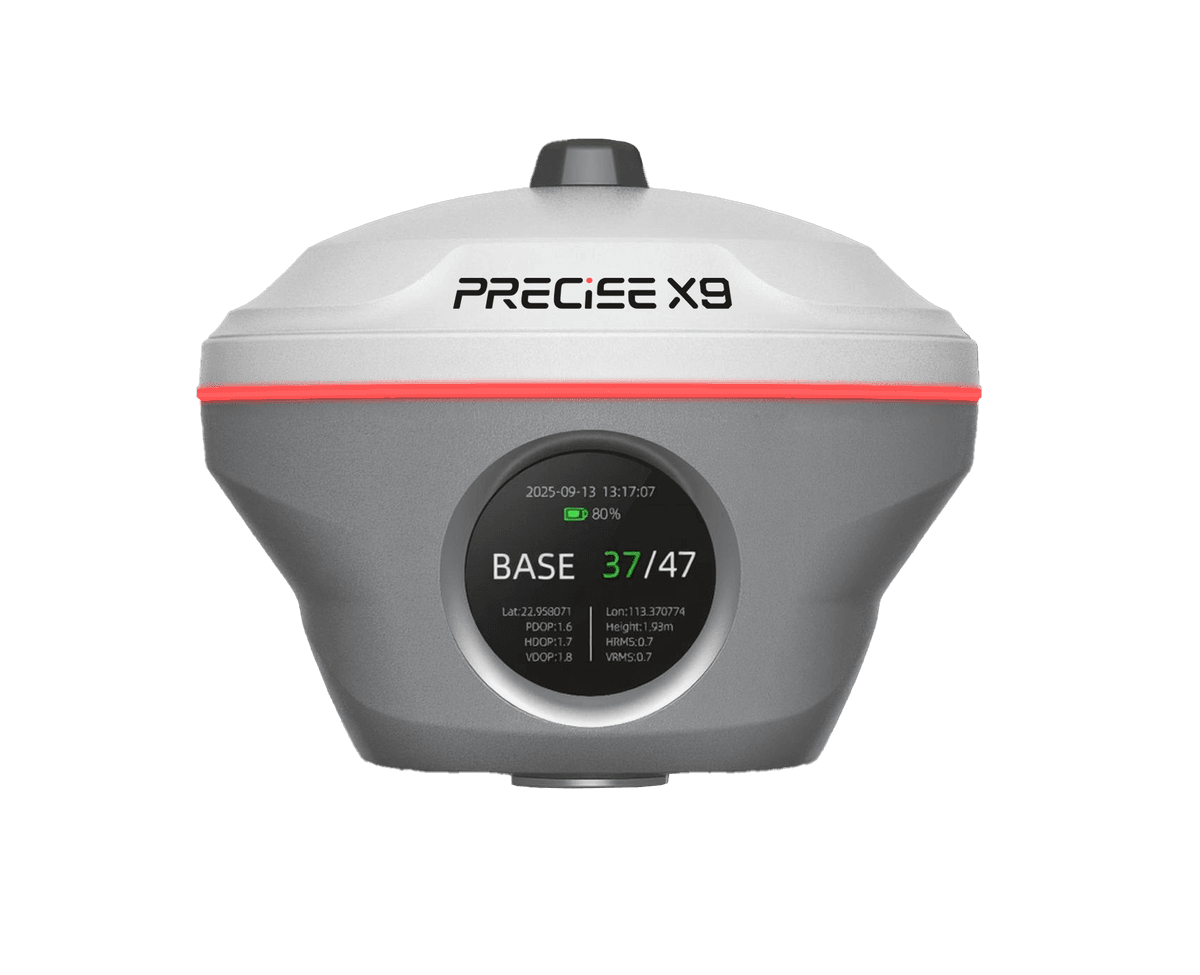
X9
The flagship receiver with a built-in 120 m laser for contact-free measurement, image measurement within 15 m, dual-camera AR stakeout, and tilt survey — the most ways to reach a point without walking a pole to it.
Everyday Visual Stakeout
Your work is standard survey and stakeout, and you want a more intuitive way to find the stakeout target — see the point, not just the numbers.
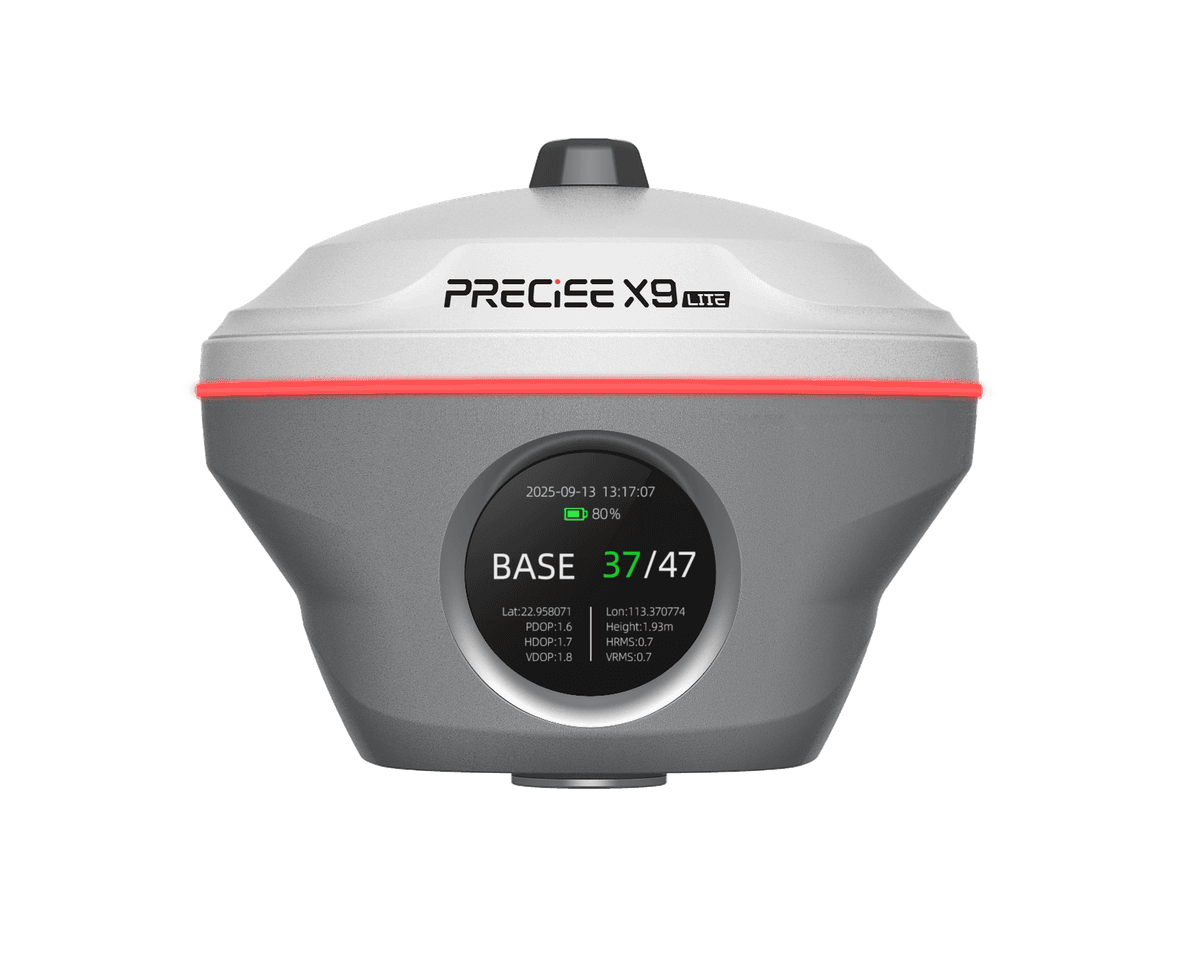
X9 Lite
Bottom-camera visual stakeout with real-scene guidance for the final approach, plus base/rover flexibility and on-receiver control in one receiver.
Laser Measurement on a Budget
You need contact-free measurement of unreachable points (up to 70 m) without stepping up to the flagship.
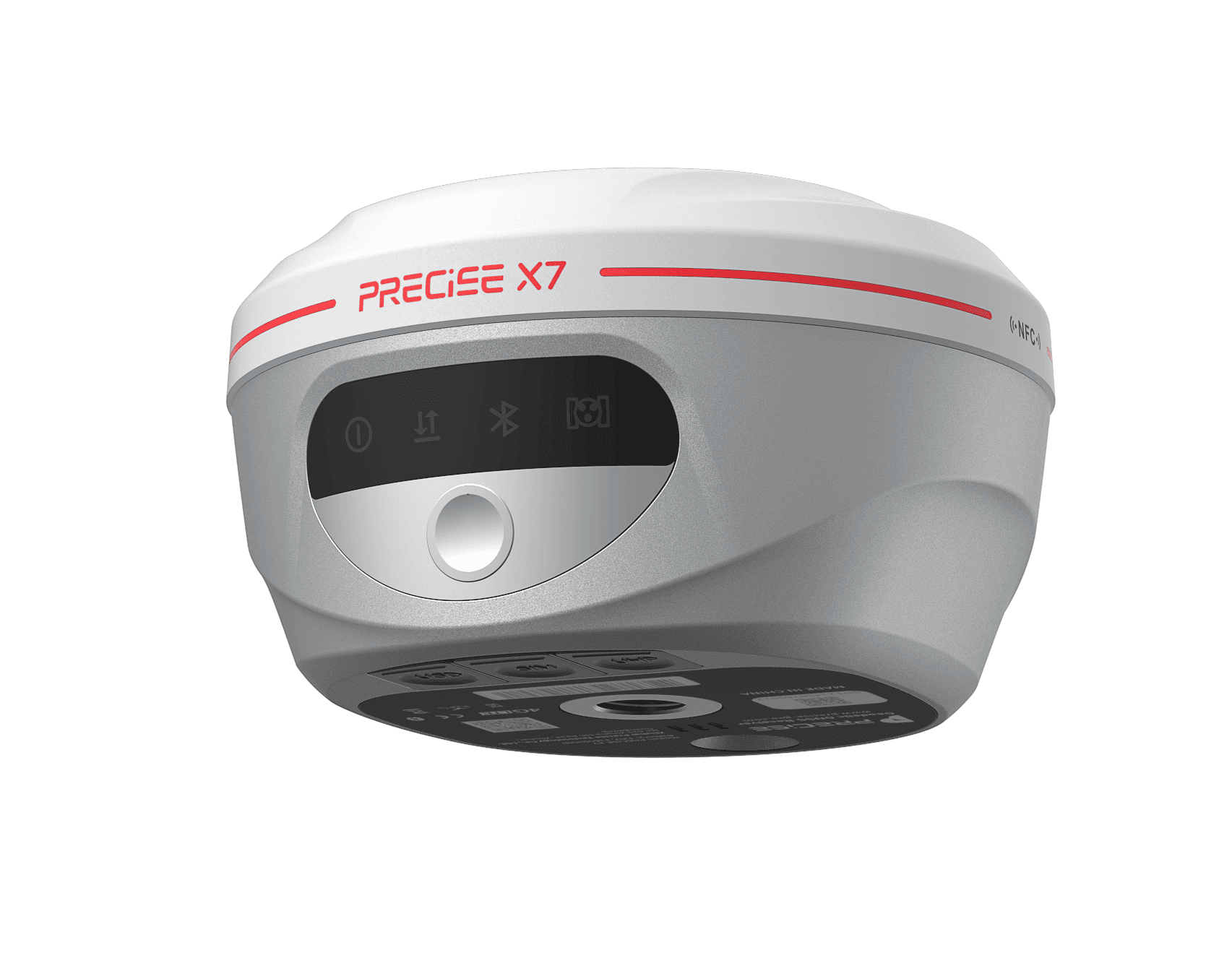
X7
RTK, 70 m laser, tilt, and AR stakeout in one receiver — the established all-in-one for points a normal pole can't reach.
Everyday Survey & Tilt Stakeout
Your work is standard survey and stakeout, with tilt measurement at obstructed points a daily occurrence, but you don't need laser, AR, or a camera view.
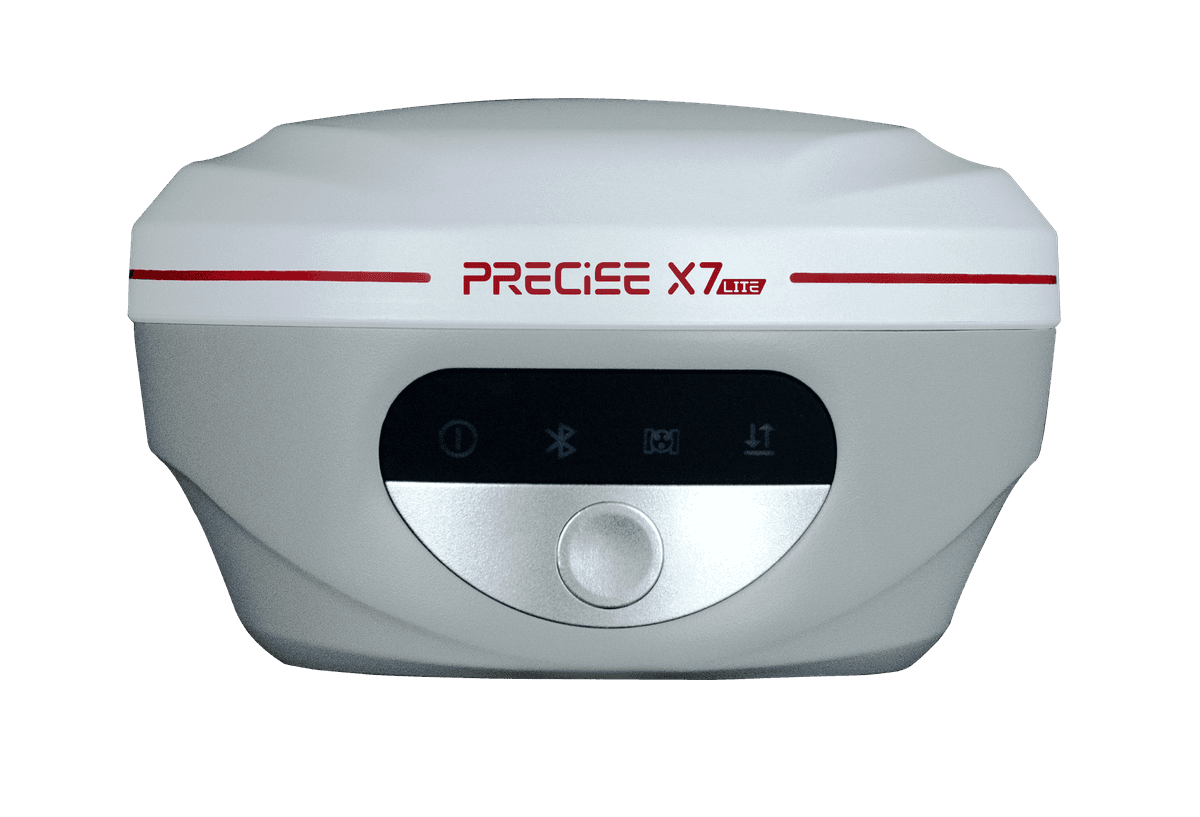
X7 Lite
The same calibration-free ±60° tilt IMU as X7, plus a full connectivity set (4G, Wi-Fi, built-in UHF), at a lower cost without cutting corners on RTK reliability or durability.
Canopy & Mixed-Coverage Areas
You work under tree canopy, in mixed-coverage areas, or need AR to speed up finding stakeout points.
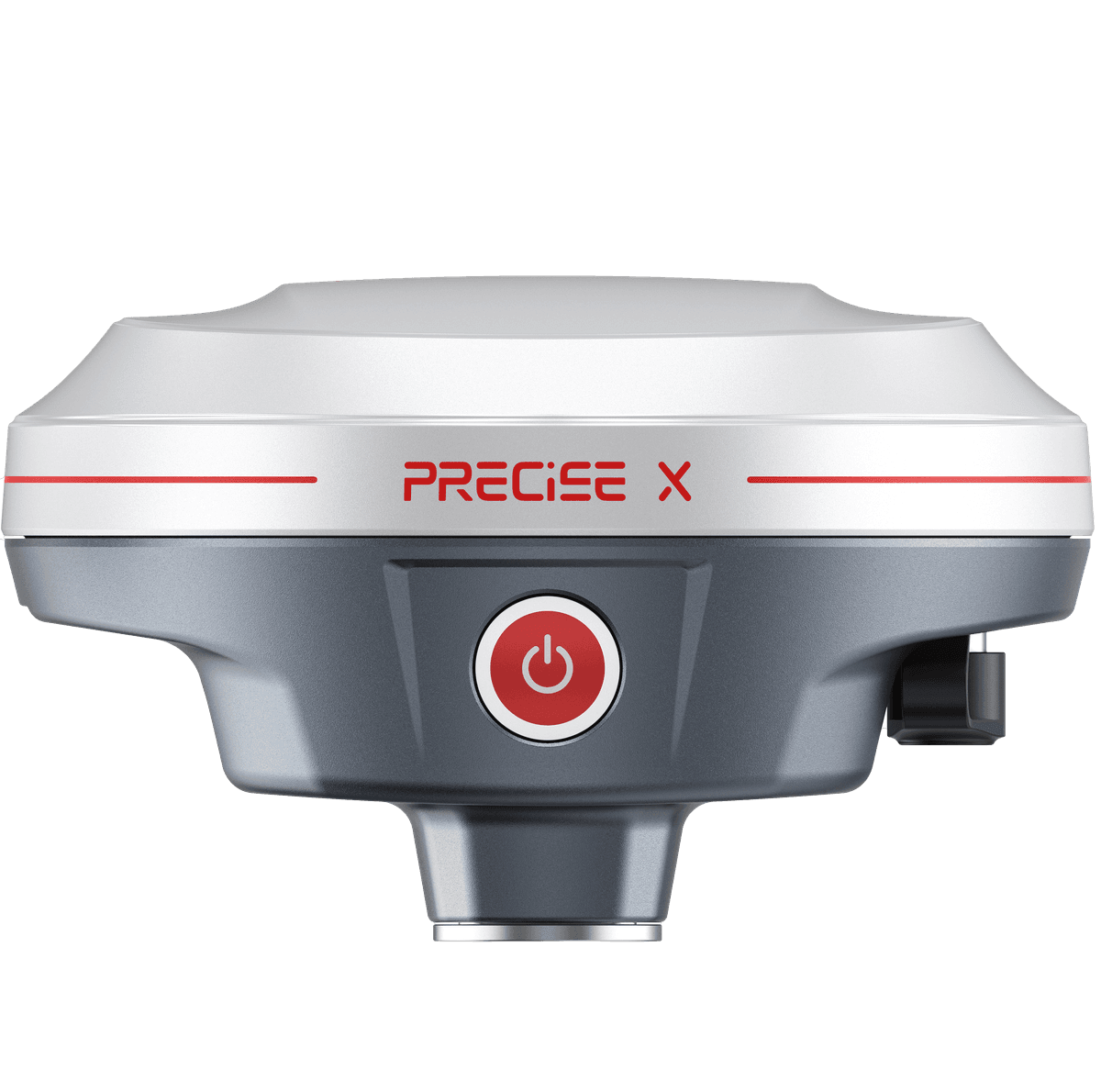
X
1,808 channels and 21 frequency points built for faster, more consistent fixes in obstructed sky conditions, plus worldwide PPP correction as a fallback.
Is X9 Lite Just a Cheaper X9?
Whether X9 Lite is a stripped-down, budget version of X9.
No — Different Focus
X9 Lite is built for the everyday survey and stakeout work that makes up most field days — visual stakeout, base/rover flexibility, on-receiver control — not a stripped-down X9. Choose X9 only when reaching physically inaccessible points (120 m laser, image measurement) is a recurring part of your work.
No CORS or Cellular Coverage
You need RTK coverage for field survey work where CORS or cellular doesn't reach.
BASE2
A portable field base station you bring to a job site, set up in minutes, broadcasting RTK corrections up to 30 km in open terrain.
Continuous Structural Monitoring
You need to continuously watch a structure (bridge, dam) for deformation over time.
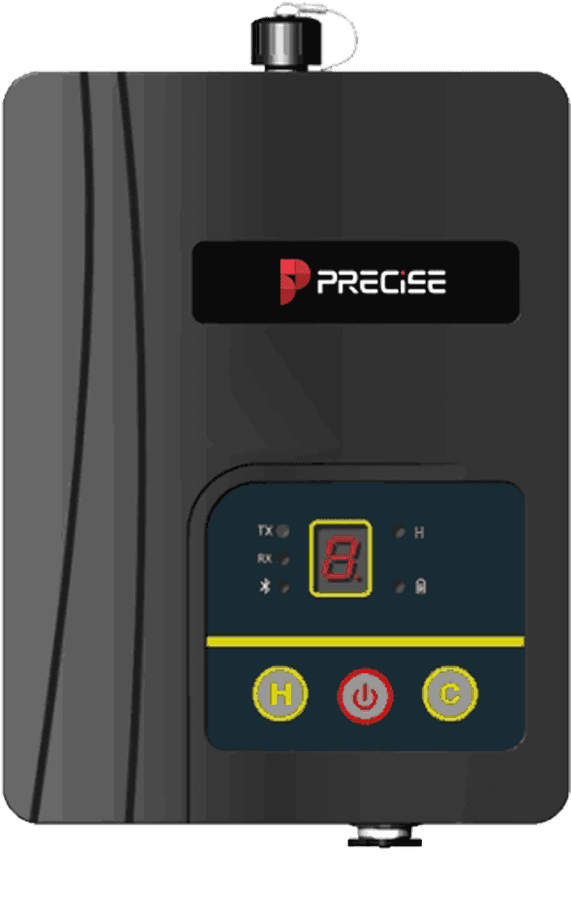
C
A permanently installed monitoring receiver, mounted once and left running for months or years, streaming raw position data over Ethernet. Not a rover-facing base station.
Limited Installation Space
Installation space, weight, or mounting conditions are limited.
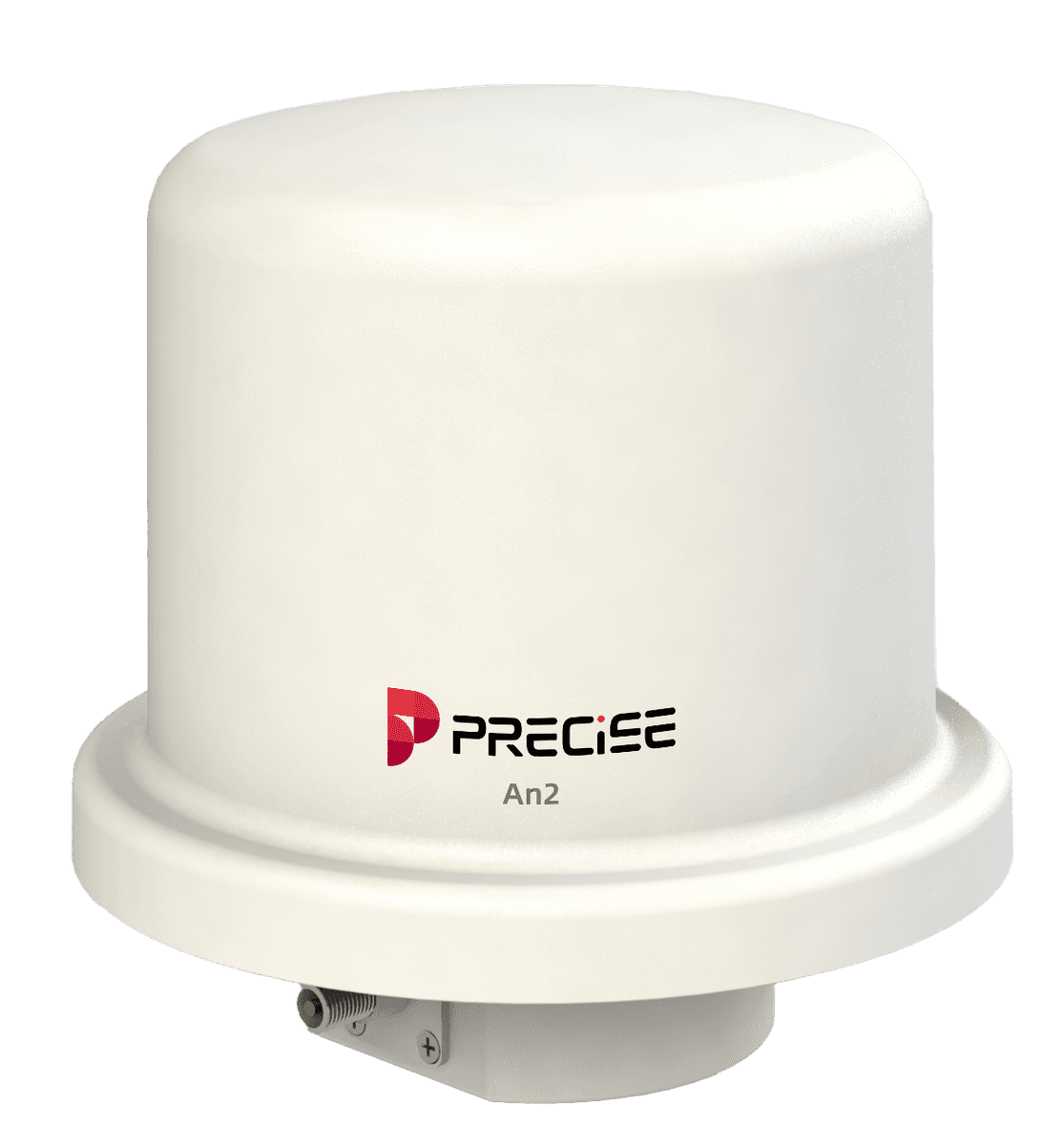
AN2
Compact (Φ180 × 180 mm, < 2.5 kg) anti-multipath antenna, phase center error < 2 mm.
Extreme Multipath, No Space Limit
High-grade reference stations and extreme multipath environments (bridges, dams, ports, marine sites) where installation space isn't the limiting factor.
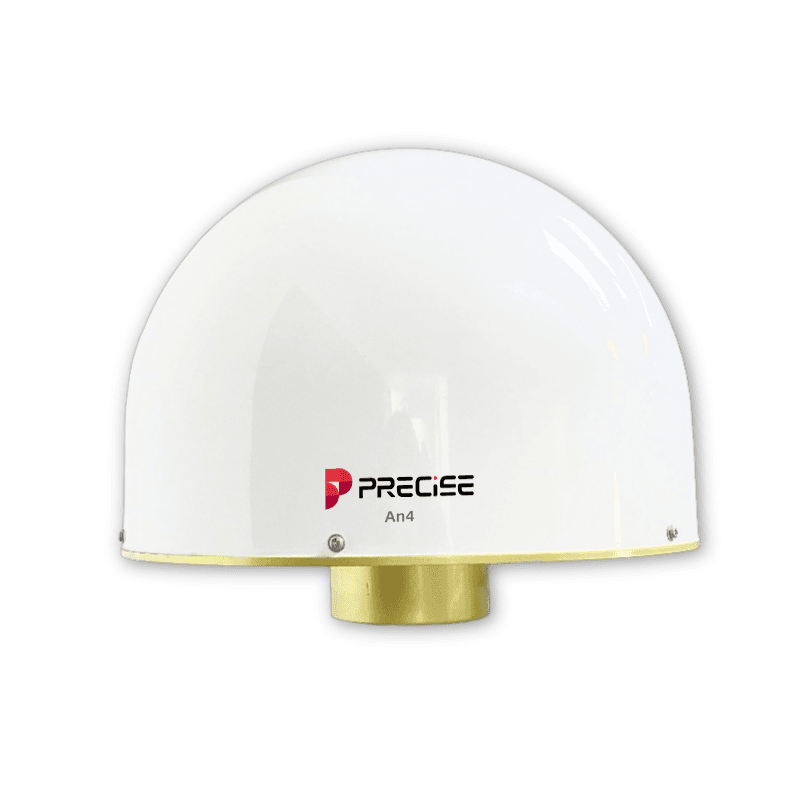
AN4
Full 3D choke-ring design (Φ379 × 312 mm, 9.3 kg bare), phase center error ±1 mm, six-constellation plus L-Band coverage.
Built-In Radio Range Falls Short
Your base station's built-in radio (5W on BASE2, 2W on X or X7 Lite) can't reach across a large site, long linear project, or hilly/obstructed terrain.
PL2
A high-power external UHF radio with selectable 10 W / 30 W output to extend the correction link between base and rover.
Consumer Devices Aren't Holding Up
Your crew uses a consumer phone or tablet to control an RTK receiver or total station, and battery life, ruggedness, or reliable data entry is a recurring problem.
PC3
A rugged handheld Android field controller (5.45" touchscreen + physical keyboard, 9000 mAh battery, IP68) that pairs with X7, X7 Lite, X, or a PRECISE total station.
FAQ
Common Questions
Start with X9 Lite unless you regularly need to measure points a pole can't physically reach. X9 Lite covers standard RTK survey, visual stakeout with bottom-camera guidance, tilt measurement at obstructed points, and base/rover flexibility in one receiver. Move up to X9 only if long-range laser measurement (120 m) or image measurement of inaccessible points, or X if AR stakeout guidance and tree-canopy performance, are recurring needs on your projects.
Not necessarily. BASE2 exists for situations where CORS or cellular network coverage isn't reliable: rural sites, mountainous terrain, or projects where you need an independent, project-controlled correction source. If your CORS/NTRIP service reliably covers your project area, your rover receiver (X9, X9 Lite, X7, X7 Lite, or X) can connect to it directly without a local base station.
C is built for permanent, continuous installation on a structure. It streams raw position data to a monitoring system 24/7 for months or years. X7 is a field rover, carried on a pole and used for daily survey and stakeout work. They're not interchangeable: C is not designed for rover fieldwork, and X7 is not designed for unattended long-term structural monitoring.
No. X9, X9 Lite, X7, X7 Lite, and X have integrated antennas built into the receiver body. AN2 and AN4 are standalone antennas for fixed installations, primarily paired with C for structural monitoring, or with other reference station receivers where a dedicated high-precision antenna is required.
If your rovers are staying in range and holding a fixed solution, you don't need PL2. Add it when the built-in radio on your base station (5W on BASE2, 2W on X or X7 Lite) can't reach across the site, typically on large open sites, long linear corridors, or terrain with line-of-sight obstructions.
Not Sure Which Receiver Fits Your Workflow?
Tell us the job you're trying to get done, and we'll help you match it to the right receiver, base station, antenna, radio, or field controller.